Introduction
From Appalachia to the Navajo Nation, and the Illinois to the Powder River Basin, workers and families affected by the changing coal economy are facing a profound crisis. Coal facility closures, layoffs, and cuts to vital services are hitting the people and communities already facing a decades-long economic decline, a black lung epidemic, and environmental devastation. Even before the COVID-19 pandemic and economic decline, reliance on a troubled coal-based economy resulted in high poverty rates, deep job losses, and shrinking opportunity. Challenges—from decaying infrastructure to inadequate healthcare access to the opioid epidemic—only make the future of these communities more uncertain.
COVID-19 is making an already precarious economic situation in these communities more unstable. Many of these places haven’t recovered from the Great Recession, were struggling from the loss of manufacturing jobs, or were never on equal or strong footing to begin with. These new economic and public health crises are layered on to the existing crises spurred by the transition from coal and threaten to inflict more turmoil on people and communities. The national economic decline is accelerating the decline of the coal sector, likely leading to the rapid closure of even more coal facilities. That will leave more communities with little time to plan for the disappearance of their largest employer and the tax base that supports public services, local education, and health care systems. Challenges for communities of color and low-income communities already disproportionately left behind by the status quo multiply as already scarce resources, opportunities, and services are disappearing and exhausted. The people and places that powered our country for generations deserve much better.
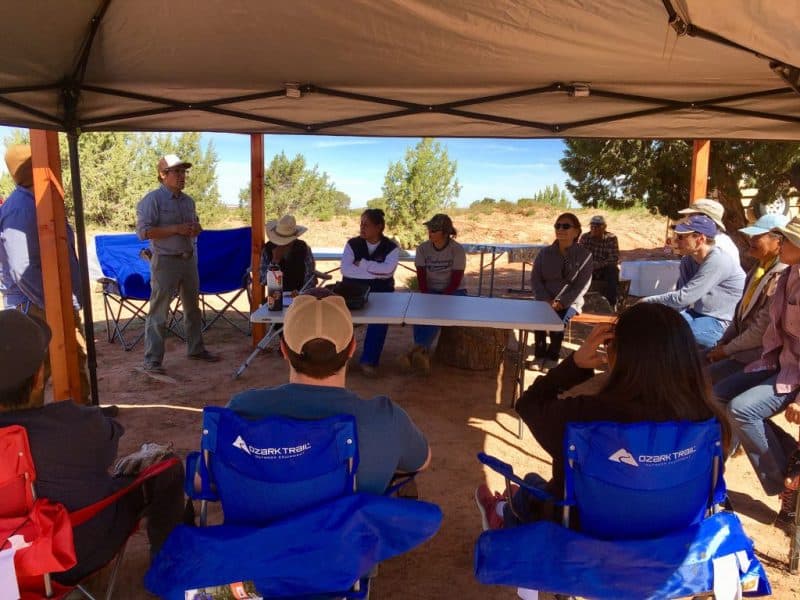
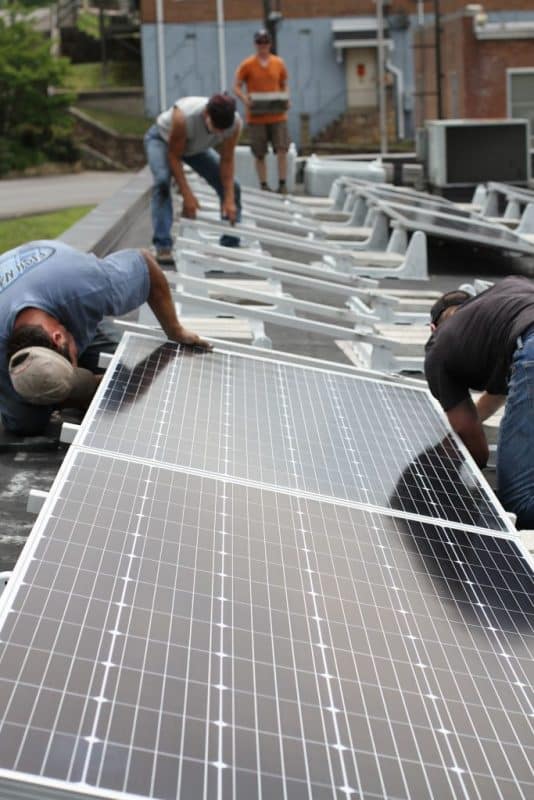
Yet people living and working in American communities dependent on coal are confronting these challenges, spurring economic development, and charting their own paths to a bright and sustainable future. Local leaders are embracing innovative ideas that foster locally driven, equitable economic opportunity and build resilience to help weather future crises. Workers in Wayne, West Virginia are learning to install solar panels; Navajo communities and entrepreneurs near the recently closed coal-fired Navajo Generating Station in Northern Arizona are launching clean energy and sustainable tourism enterprises and partnerships; and community members from Southwest Virginia to western Colorado are creating regional food markets. There are sustainable, equitable, and inclusive solutions for economic development for the people and places hit hardest by the transition away from coal, and they are driven by communities, built from the ground up.
SEIZING THE OPPORTUNITY
GETTING STARTED
National leaders should take two interim, concrete actions to help create the ambitious national transition program and synchronize these efforts:
- Create a National Community Transition Action Plan, created within a one-year period, that would identify priorities and needs across affected communities. To help create this plan, we recommend the immediate creation of an inclusive national just transition task force, which can assess the financial and social costs of the energy and economic transition, identify solutions, and make recommendations about a path forward.
- Create a new federal Office of Economic Transition to coordinate and oversee the new national community transition program. Guided by an advisory board reflective of affected stakeholder groups and communities, the Office would be charged to help synchronize ongoing efforts and leverage new public and private sector investments. The new Office should work to implement the action plan created by the task force.
ABOUT OUR PLATFORM
#1 LOCAL LEADERSHIP
Invest in local, community-based leaders to help communities plan and respond. Leadership comes in all forms. Local leaders may be individuals from government, labor, non-profit, faith-based, small business, tribal or community organizations, or individual community members. Furthermore, local leadership will include representation from every part of the community, especially low-income communities and communities of color that have been left behind by the status quo. To ensure a community can plan for and respond to past, current, and future impacts from the decline of coal, local leaders must have access to adequate resources—both funding and expertise—to gather information about the impact, bring their community together to create a collective vision for the future, and plan a long-term strategy that fits the context of their community. Federal leaders should:
A. Provide critical capacity-building support for local leaders and organizations. Given the local nature of this work, federal support should be provided to help build the capacity of local community-based leaders and organizations and facilitate community-driven planning processes and on-going program development and implementation. This is achievable through training and mentorship programs, grant funding to directly support salaries and materials needed for planning and program implementation, support from resource experts, and other technical assistance.
C. Invest in organizations led by those too often left out of economic development and transition planning. Funding should be directed to support leadership and develop capacity in Black, brown, and Indigenous-led organizations, as well as others too frequently left behind by the status quo and/or investments and planning around transition priorities, including young people, workers, women, and LGBTQ people.
#2 RESTORATIVE ECONOMIC DEVELOPMENT
Invest in entrepreneurs and locally owned small businesses to grow diverse economic sectors that contribute to stronger, more resilient communities, improved public health, restored ecosystems and equitable opportunities for all people. Supporting local entrepreneurship and business development can create economic resilience that resists shocks like COVID-19, encourages younger generations to stay and build their communities, and protects the health of individuals, communities, and places. Growing businesses in diverse economic sectors doesn’t just create jobs, it can support clean air and water and the healthy stewardship of farmland, forests, and watersheds that is necessary for this resilience. Investments can support local communities in identifying the economic opportunities unique to their local assets that can fulfill these goals and ensure growth is equitable and inclusive. Communities and groups most adversely affected by resource extraction economies, including Native/Indigenous People and communities of color, should receive particular attention. To this end, the federal government must institute policies, regulations, programs, and tax structures that help expand these key sectors. Furthermore, any federal programs created for this purpose should develop with input from affected workers and communities, and include strong labor and procurement standards and respect for workers’ organizing rights. Federal leaders should:
#3 WORKFORCE DEVELOPMENT & WORKER HEALTH
Provide a broad system of support for workers and viable pathways to quality, family-sustaining jobs. Communities and workers affected by coal closures need targeted workforce development and training programs, in addition to investment in broader economic development strategies that spur quality job creation. Because coal closures can significantly affect supply chains and deplete the local tax base, causing local businesses to close and interrupting public sector services, solutions must include a special focus on the long-term needs and the well being of all workers affected by these economic changes. In rural communities, in urban settings, and on tribal lands, displaced coal workers and affected community members need targeted support to help manage the transition. To ensure workers have effective and equitable access to high-quality jobs (especially good union jobs) in both the public and private sectors, federal leaders should:
#4 RECLAMATION
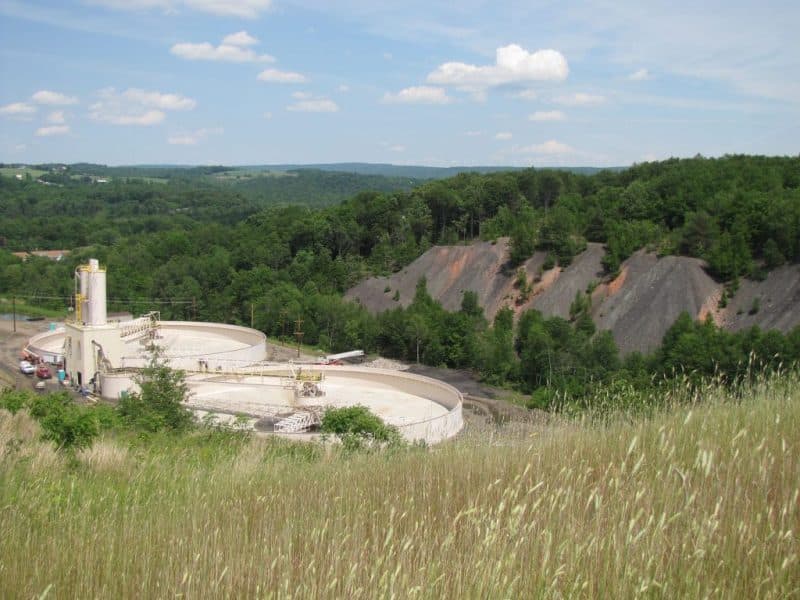
Reclaim, remediate, and reuse coal sites to create jobs while restoring land and clean water. As coal production declines and workers and communities face an uncertain future, reclamation and remediation of coal sites offer a bright spot. Clean-up and decommissioning activities require a sizable workforce and can immediately mitigate the impact of layoffs and put former coal employees to work. Federal leaders should prioritize miners and power plant workers for reclamation and remediation jobs when possible and:
#5 INFRASTRUCTURE
Invest in physical and social infrastructure to stimulate economic development and build a foundation for change. When coal plants close, the lost tax revenue negatively impacts both physical infrastructure, like local schools, as well as societal services like fire departments. Investing in a community’s physical infrastructure (such as roads, rails, airports, and drinking and wastewater), social infrastructure (such as education, health, housing) and tech infrastructure (like broadband) helps create jobs, stimulate the local economy, and encourage private investment. Communities should drive infrastructure investment decisions and planning.
#6 BANKRUPTCY
Protect workers, taxpayers, communities, and the environment during bankruptcies. Companies often enter bankruptcy proceedings owing workers and local and state governments unpaid wages, taxes, royalties, and paycheck contributions to retirement and health plans. Federal law prioritizes repayment of bank loans rather than repayment of debts to workers and their communities. As more companies go through bankruptcy, fewer companies will be available to purchase mines and take over reclamation obligations, increasing the likelihood of mine closures and bond forfeitures. Many states’ bonding systems are not robust enough to withstand widespread bankruptcy, which will leave abandoned mines with inadequate reclamation funding. A series of protections, if established prior to future bankruptcies, can help buffer workers and taxpayers from some of the worst impacts of bankruptcies. Federal leaders should: #7 COORDINATION AND ACCESS
Empower local communities by providing direct access to federal resources. We recommend a structure of supports to ensure federal programs are coordinated, grounded in communities, and responsive to local needs. In addition to creating the national task force, coordinating office, and advisory board mentioned above, federal leaders should: